
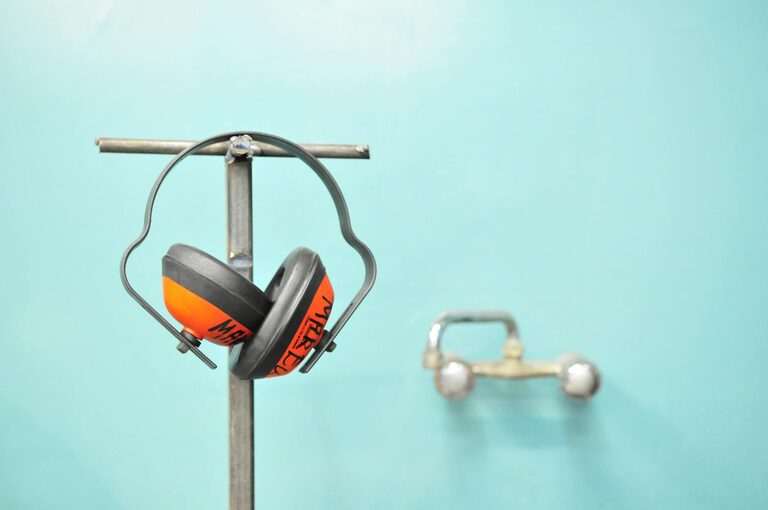
Creating a calm and quiet environment at home can significantly improve your comfort and well-being. Whether you live in a busy city apartment or a lively household, reducing noise can help you focus, relax, and sleep better. The good news is that you don’t have to invest in expensive soundproofing materials to cut down on unwanted sounds. In this post, we’ll explore simple, practical ways to reduce noise at home using everyday items and easy changes.
Why Reducing Noise at Home Matters
Excessive noise can be distracting and stressful. Continuous background noise not only interrupts your concentration but can also affect your sleep quality and overall mood. By taking steps to reduce noise, you’re creating a more comfortable living space that supports relaxation and productivity.
Identify Noise Sources
Before making changes, it helps to understand where noise is coming from. Common noise sources include:
– Traffic or street noise through windows
– Noisy neighbors or shared walls
– Appliances like washing machines and fans
– Loud conversations or music within the house
– Footsteps or movement on hard floors
Once you know the main sources, you can apply targeted strategies to reduce them.
Simple Ways to Reduce Noise Inside Your Home
1. Add Soft Furnishings
Hard surfaces reflect sound, making noise louder. Introducing soft materials absorbs sound waves, reducing echoes and overall noise levels.
– Use rugs or carpets on hardwood or tile floors.
– Hang thick curtains or drapes over windows.
– Arrange upholstered furniture like sofas, chairs, and cushions.
– Add throw pillows and fabric wall hangings to absorb sound.
2. Seal Gaps and Cracks
Small gaps around doors and windows can let noise in and out.
– Apply weatherstripping around door frames.
– Use door sweeps at the bottom of doors.
– Seal window gaps with caulking or acoustic sealant.
– Use draft stoppers for extra noise blocking under doors.
3. Rearrange Furniture
Furniture placement can impact noise levels.
– Place bookcases or shelves against walls shared with neighbors; filled books block sound effectively.
– Position couches and chairs away from noisy appliances or hallways.
– Use room dividers or screens to break up large open spaces.
4. Use White Noise or Sound Machines
If background noise is unavoidable, white noise can help mask it, making interruptions less noticeable.
– Use dedicated white noise machines.
– Play calming ambient sounds or nature sounds through speakers.
– Use fans or air purifiers that generate soothing background sounds.
Reducing Noise from Outside
1. Invest in Double-Glazed Windows
Double or triple-glazed windows have multiple glass panes that insulate sound better than single-pane windows. This is a more involved investment but can vastly improve noise reduction.
2. Add Exterior Curtains or Awnings
Heavy-duty outdoor curtains or awnings can help reduce noise entering through windows and doors.
3. Use Landscaping as a Sound Barrier
Plants and shrubs can absorb and block sound.
– Plant dense shrubs or hedges along property lines.
– Place tall trees strategically to block street noise.
– Use wooden fences instead of metal chain-link fences as wood dampens noise more effectively.
Managing Noise Between Rooms
1. Install Door Soundproofing Kits
These kits usually include adhesive foam strips and door seals that reduce noise transmission through cracks.
2. Apply Acoustic Panels
Acoustic panels absorb sound and reduce echo. They can be mounted on walls or ceilings and come in decorative designs to blend with your décor.
3. Use Heavy or Solid-Core Doors
Replacing hollow-core interior doors with solid-core doors can significantly cut down on noise moving between rooms.
Tips for Noisy Appliances and Electronics
1. Maintain Appliances
Keep washing machines, dryers, and HVAC units running smoothly by regular maintenance, reducing noise caused by wear and tear.
2. Place Appliances on Vibration Pads
Vibration isolation pads reduce the noise generated by appliances moving or shaking.
3. Organize Electronics Cables
Loose cables can vibrate or pick up interference which can cause buzzing sounds. Use cable organizers to keep them tidy and reduce noise.
Final Thoughts
Reducing noise in your home doesn’t have to be complicated or expensive. Small changes, such as adding soft furnishings, sealing gaps, or rearranging furniture, can create a more peaceful living environment. For tougher challenges, like traffic noise, investing in double-glazed windows or landscaping can help. Try a combination of these simple strategies to enjoy a quieter, more relaxing home.
Remember, a calm space supports better focus, rest, and overall happiness. Start with these tips today and create a noise-friendly haven in your home.