
Building and maintaining good habits is key to achieving personal and professional goals. However, forming new habits and sticking to them can be challenging. Tracking habits is one of the most effective ways to stay consistent and see real progress over time. This post will guide you through why and how to track habits, along with strategies for maintaining consistency.
Why Track Your Habits?
Tracking habits provides several benefits that make forming routines easier:
– Increases awareness: Logging your behavior helps you understand current patterns and triggers.
– Boosts motivation: Seeing progress visually encourages you to keep going.
– Builds accountability: Recording your actions holds you responsible, even if only to yourself.
– Identifies obstacles: Tracking helps pinpoint days or situations when habits slip, allowing for adjustments.
– Improves focus: Monitoring narrowing your energy on priorities and avoiding distractions.
Choosing the Right Habits to Track
Before starting, be clear about which habits you want to focus on. Here are some tips:
– Start small: Pick habits that are easy to measure and do daily, like drinking water or reading.
– Be specific: Define the habit clearly. Instead of “exercise,” track “walk 20 minutes.”
– Limit your list: Track 2-4 habits at first to avoid overwhelm.
– Align habits with your goals: Choose habits that support your bigger objectives.
Methods to Track Your Habits
There are numerous ways to monitor your habits. Find a method that fits your lifestyle and preferences.
1. Habit Tracker Apps
Digital apps make habit tracking simple and convenient. Popular options include Habitica, Streaks, and Way of Life. Features often include:
– Customizable habit lists
– Reminders and notifications
– Visual progress charts
– Motivational streak counters
Apps are especially helpful if you want detailed analytics or like using your phone frequently.
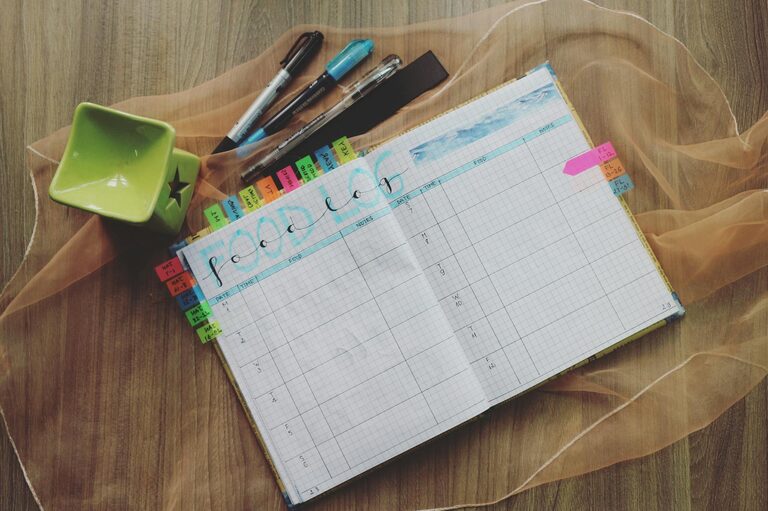
2. Bullet Journaling or Habit Planners
Writing your habits down in a journal allows for flexibility and creativity. You can:
– Create monthly or weekly grids
– Use colors, symbols, or stickers
– Combine tracking with reflections and goal notes
This tactile method works well for those who enjoy pen-and-paper organization.
3. Simple Checklists or Calendars
A checklist on paper or a calendar can be enough to keep you accountable. Just mark an X or a check each day you complete the habit. This visual cue builds momentum and satisfaction.
4. Accountability Partners or Groups
Share your habit goals with a friend or join a group for mutual encouragement. While this isn’t direct tracking, it supports consistency by leveraging social accountability.
Tips for Staying Consistent
Tracking is just the first step. To truly build habits, consistency matters most. Below are some techniques to help you stay on track.
Set Clear and Realistic Goals
– Break larger goals into manageable actions.
– Avoid setting too many new habits at once.
– Adjust habit difficulty based on your current routine and energy.
Create a Habit-Friendly Environment
– Remove obstacles that cause distractions or temptations.
– Arrange your space to make good habits easier to perform (e.g., keep workout clothes visible).
– Use triggers or cues like an alarm or putting a book on your pillow.
Focus on the “Why”
Understanding why a habit matters to you increases commitment. Remind yourself regularly how the habit benefits your life and aligns with your values.
Build a Routine and Stack Habits
– Perform habits at the same time or after existing routines.
– Habit stacking (e.g., meditate right after brushing teeth) helps develop natural flow.
Practice Self-Compassion
– Expect occasional slip-ups and avoid harsh self-criticism.
– Treat setbacks as learning experiences.
– Celebrate small wins to boost your confidence.
Review Progress Regularly
– Set weekly or monthly check-ins to review your habit tracker.
– Reflect on challenges and successes.
– Adjust your habits or methods as needed for better results.
Sample Habit Tracking Template
Here’s a simple example of how you could track habits in a week:
| Habit | Mon | Tue | Wed | Thu | Fri | Sat | Sun |
|————-|—–|—–|—–|—–|—–|—–|—–|
| Drink water | ✔ | ✔ | ✔ | ✔ | ✘ | ✔ | ✔ |
| Read 10 min | ✔ | ✘ | ✔ | ✔ | ✔ | ✔ | ✔ |
| Walk 20 min | ✔ | ✔ | ✔ | ✘ | ✔ | ✔ | ✘ |
Marking consistency visually can boost your drive to fill the gaps and maintain streaks.
Final Thoughts
Tracking your habits doesn’t have to be complicated or time-consuming. Whether you choose a high-tech app or a simple checklist, the key is to stay consistent and keep your goals realistic. Use the data you collect to understand your behaviors better and adjust your approach as necessary. With patience and perseverance, small positive habits can lead to significant, lasting change.
Remember, every step counts — track your habits, celebrate your progress, and enjoy the journey toward your best self!