
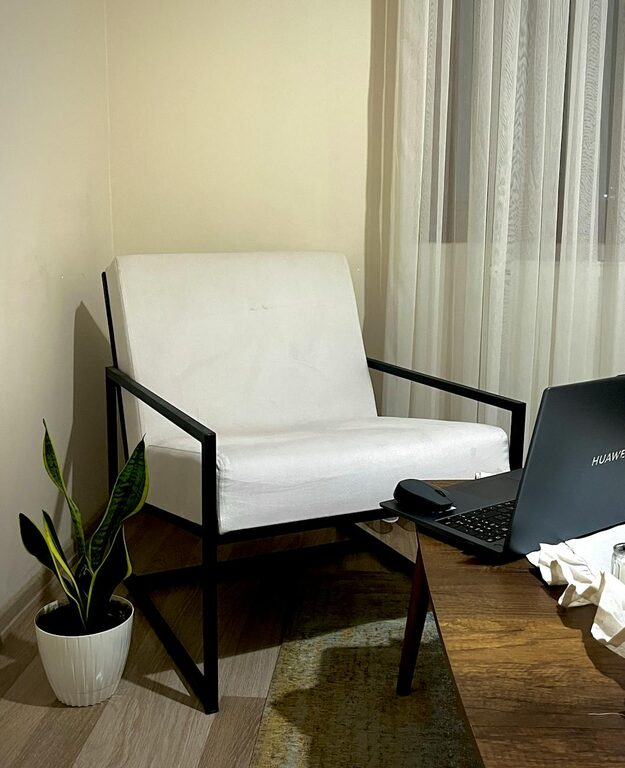
Creating a relaxing home workspace is essential for maintaining focus, reducing stress, and enhancing productivity—especially as more people work remotely. A thoughtfully arranged area can make work feel less like a chore and more like an enjoyable, balanced part of your day. Whether you have a dedicated room or just a small corner, this guide will help you design a calm and comfortable workspace at home.
Why a Relaxing Workspace Matters
A cluttered or uncomfortable workspace can lead to distractions, fatigue, and even burnout. On the other hand, a peaceful environment encourages concentration and creativity. When your workspace feels inviting and organized, you’re more likely to enjoy your workday and complete tasks efficiently.
Step 1: Choose the Right Location
Finding the perfect spot is the first step to creating a relaxing workspace.
– Pick a quiet area where noise and foot traffic are minimal.
– Consider natural light, as sunlight boosts mood and reduces eye strain.
– Ensure enough space for your desk, chair, and any tools or equipment you need.
If space is limited, a nook or corner of a room can work well, as long as you can set up your essentials comfortably.
Step 2: Invest in Comfortable Furniture
Comfort is key to keeping your mind and body relaxed during long working hours.
– Ergonomic chair: Choose a chair that supports your back and encourages good posture.
– Desk height: Make sure your desk is at a comfortable height to prevent strain.
– Adjustable setups: Consider a standing desk or adjustable monitor stands to switch positions during the day.
Your furniture should combine comfort with functionality to keep you energized.
Step 3: Declutter and Organize
A tidy workspace helps clear your mind and minimizes distractions.
– Use organizers: Drawer dividers, baskets, and trays can keep items in order.
– Limit items on the desk: Keep only essentials like your computer, notebook, and a pen.
– Manage cables: Use clips or ties to avoid tangled cords.
Regularly declutter your space to maintain a calm and inviting atmosphere.
Step 4: Add Calming Colors and Decor
Colors and decor influence how you feel in your workspace.
– Select soothing colors: Soft blues, greens, and neutrals are known to promote relaxation.
– Incorporate plants: Small indoor plants not only beautify your space but also improve air quality.
– Personal touches: Add artwork or photos that motivate or calm you without overwhelming the area.
– Avoid clutter: Keep decor minimal to maintain a peaceful vibe.
Thoughtful decoration can enhance your mood and make the workspace your own.
Step 5: Lighting Matters
Proper lighting reduces eye strain and creates a comfortable ambiance.
– Maximize natural light: Position your desk near windows, but avoid glare on screens.
– Use ambient lighting: Soft overhead lights prevent harsh shadows.
– Task lighting: A desk lamp with adjustable brightness can help during focused work.
Combining natural and artificial light helps you stay alert and relaxed.
Step 6: Control Noise and Distractions
Sound can significantly affect your concentration and stress levels.
– Use noise-canceling headphones or play soft instrumental music.
– Consider white noise machines to mask distracting sounds.
– Set boundaries: Communicate with family or roommates about your workspace and working hours.
Minimizing interruptions will help you maintain focus and stay calm.
Step 7: Create a Routine and Break Space
Your workspace should support not just work but also healthy habits.
– Set working hours: A consistent schedule helps balance work and rest.
– Include a break area: Even a comfortable chair nearby encourages stepping away from your desk.
– Practice quick relaxation: Stretching, deep breathing, or brief walks improve both focus and wellbeing.
A routine combined with a relaxing environment promotes long-term productivity.
Final Thoughts
Designing a relaxing home workspace is about balancing comfort, functionality, and personal style. By choosing a quiet spot, investing in ergonomic furniture, organizing effectively, and controlling lighting and noise, you create an environment that supports both your work and mental wellbeing. Remember, small changes can make a big difference in how you feel throughout the day. Start with one or two improvements and build from there to enjoy a calmer, more productive work-from-home experience.