
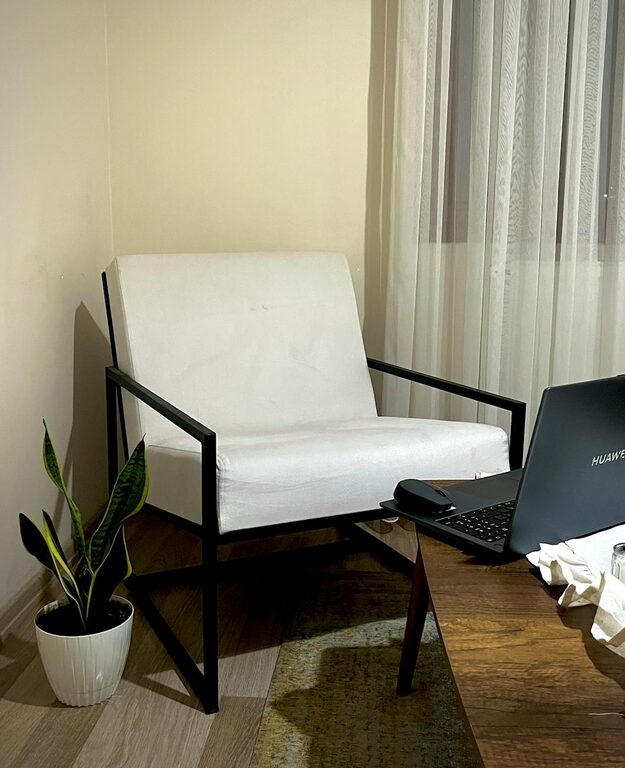
Creating a relaxing home workspace is essential for maintaining focus and reducing stress, especially when you spend long hours working from home. A calm environment can improve your productivity and overall well-being. In this post, we’ll explore practical steps to design a workspace that feels inviting and helps you stay on track without feeling overwhelmed.
Why a Relaxing Workspace Matters
When your workspace is cluttered or uncomfortable, it can increase anxiety and reduce your motivation. Conversely, a well-designed area encourages concentration, creativity, and a positive mindset. Whether you’re using a dedicated room or a corner of your living space, making your home office a sanctuary will benefit your work and your mood.
Choosing the Right Location
Find a Quiet Corner
Select a spot in your home where noise and distractions are minimal. This could be a spare room, a nook by the window, or even a section of your bedroom. The key is to have a dedicated space that signals “work mode” to your brain.
Consider Natural Light
Natural light boosts energy and helps maintain alertness during the day. Try to position your desk near a window but avoid glare on your computer screen. If natural light isn’t available, invest in soft, adjustable artificial lighting.
Declutter and Organize
Keep Surfaces Clear
A clutter-free desk allows for better concentration. Keep only essential items on your work surface like your computer, notebook, and a cup of water or coffee.
Use Storage Solutions
Incorporate shelves, drawers, or baskets to store supplies, paperwork, or electronics. Label containers to find what you need quickly, reducing frustration.
Regularly Tidy Up
Set a daily or weekly routine to tidy your workspace. This helps maintain a peaceful environment and prevents clutter from piling up.
Choose Comfortable and Supportive Furniture
Invest in an Ergonomic Chair
A good chair supports your back and promotes healthy posture. Comfort reduces physical strain and lets you focus longer without discomfort.
Select a Desk at the Right Height
Your desk should allow your arms to rest comfortably with elbows at about 90 degrees when typing. Adjustable desks that let you switch between sitting and standing are great options.
Personalize Your Space Mindfully
Add Soothing Colors
Soft, neutral colors like light blues, greens, or pastels create a calming atmosphere. Avoid overly bright or distracting hues.
Incorporate Plants
Houseplants bring freshness and improve air quality. Easy-care plants like snake plants, pothos, or succulents work well in workspaces.
Use Inspirational Decor
Surround yourself with art, quotes, or objects that inspire and motivate you, but avoid cluttering your area.
Manage Noise Effectively
Use Headphones or White Noise
If noise is an issue, consider noise-canceling headphones or a white noise machine to mask distractions.
Play Soft Background Music
Instrumental or ambient music can help some people concentrate better. Experiment to see what works for you.
Mind Your Technology Setup
Organize Your Cables
Use cable organizers or clips to keep cords tidy and prevent tangling.
Position Screens Properly
Your computer screen should be at eye level to reduce neck strain. Use monitor stands or laptop risers if needed.
Keep Essential Tools Nearby
Have your keyboard, mouse, chargers, and other essentials within easy reach to avoid interruptions.
Establish Boundaries for Work and Rest
Define Work Hours
Set clear start and finish times to separate work from personal life. Turn off work notifications when your day ends.
Take Breaks Regularly
Step away from your desk every hour for a few minutes to stretch, hydrate, or rest your eyes.
Create a ‘Shutdown’ Ritual
End your workday by organizing your desk or making a to-do list for tomorrow. This helps your mind switch off from work mode.
Final Thoughts
Creating a relaxing home workspace doesn’t require a complete makeover. Small, thoughtful changes can make a big difference. By choosing the right location, organizing your desk, incorporating comfortable furniture, and personalizing your space, you’ll set yourself up for a productive and peaceful workday. Remember, a calming environment supports not just your work, but your overall happiness and well-being too.
Try implementing these tips one step at a time and adjust your workspace as needed until it feels just right. Happy working!